
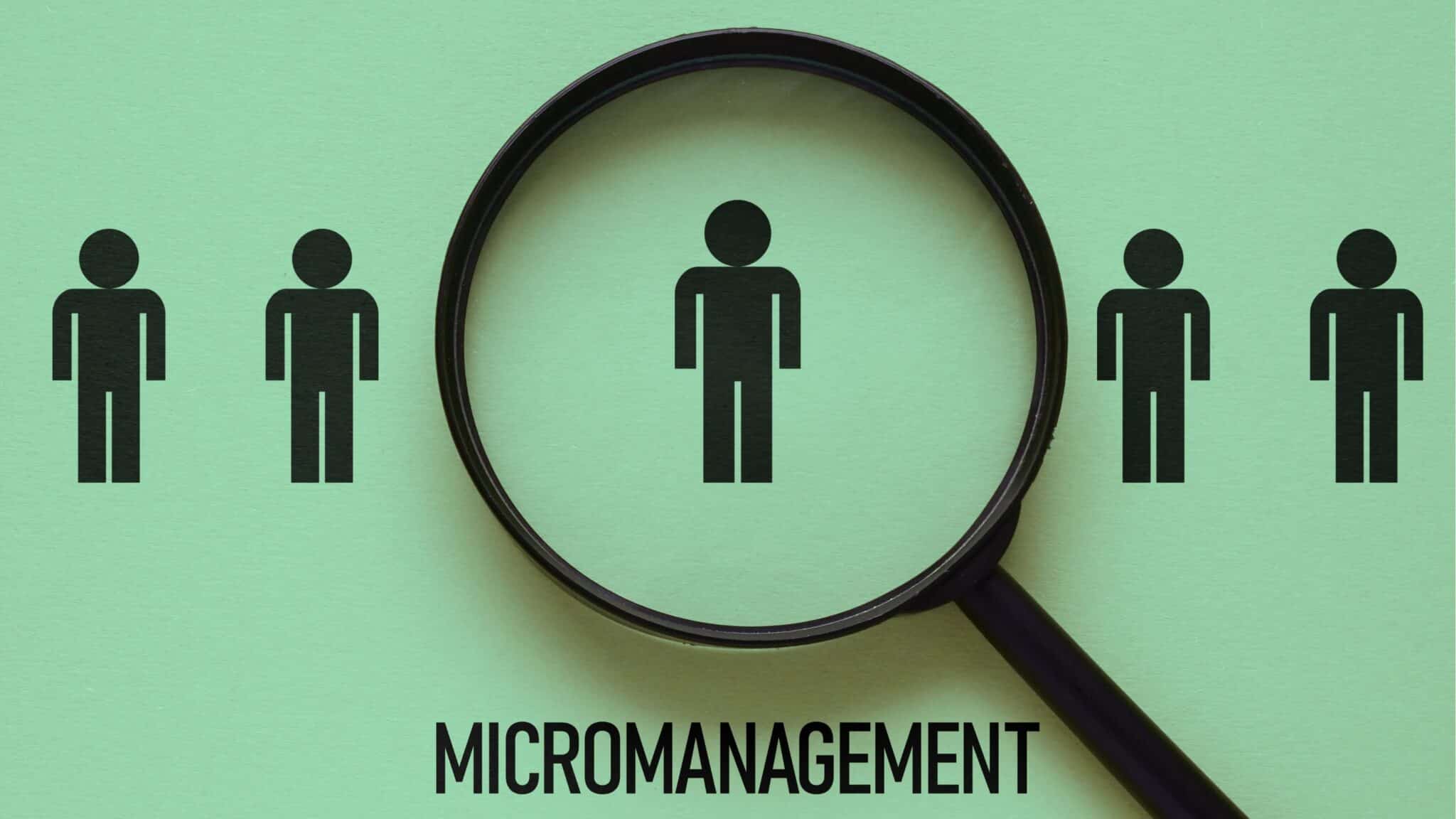
Go straight to more about micromanagement
You may recognise the feeling: a manager who checks everything you do and leaves little room for you to get on with your work. Instead of feeling supported, it feels like someone is looking over your shoulder all the time and questioning everything you do.
We hear about this regularly from people who contact LawCare’s confidential support service. They don’t usually say they are calling about micromanagement, but the situations they describe and how they feel often point clearly to it.
- Some describe managers who ask to be copied into every email they send. Others say they have to ask permission before contacting colleagues or clients.
- Micromanagement can involve work being checked in minute detail or being overly scrutinised (the “red pen treatment”). If something goes wrong, the person doing the work may be blamed, even when they’ve simply incorporated amendments which their manager insisted upon.
- We also hear about rigid approval processes that slow down work down or make it harder to meet targets. Sometimes performance or financial figures are reviewed at a very granular level, which can add pressure rather than helping people do their job well.
Experiences like this can leave people feeling they aren’t trusted to do their work. Over time that can affect confidence, wellbeing and their ability to do their job.
Micromanagement isn’t always intentional, managers may be trying to maintain high standards or avoid mistakes, but when it goes too far it can knock people’s confidence and make work more stressful.
What is micromanagement?
Micromanagement can take many forms, but it typically involves a manager exercising too much control over day-to-day work.
It might look like:
- checking emails, documents or tasks in very close detail
- frequently rewriting or redoing someone’s work without explaining why
- expecting to be copied into most communications
- requiring permission for routine decisions or contact with colleagues
- introducing processes or reporting requirements that slow work down
- monitoring targets or performance at an overly detailed level
- expecting staff to be constantly available, even outside working hours.
Supervision and feedback are an important part of management, especially when someone is new to a role or dealing with complex work. But micromanagement goes further than this, leaving little room for trust or independence.
Why does micromanagement happen in the legal sector?
Legal work can be demanding, and managers feel responsible for making sure everything is right. Because of this, it can be difficult to step back and allow others to take ownership of their work. Some of the reasons include:
- High standards and perfectionism. Legal work often has to be done to a very high standard, and people can feel pressure to get everything right.
- Fear of making mistakes. If something goes wrong it can have serious consequences, so managers may feel the need to check everything closely.
- Heavy workloads and deadlines. When time is limited, managers may feel they need to stay closely involved in everything.
- Workplace culture. In workplaces where mistakes are heavily criticised, people may become more cautious and controlling.
- Remote working. When managers cannot see their team in person, they may try to stay connected by asking for more updates or oversight. While this may come from a desire to stay informed, it can sometimes feel intrusive.
- Limited management training. Many lawyers become managers without much training in how to supervise or support a team. Our Life in the Law 2025 research highlighted the importance of supporting people in management roles. Only 54.6% of respondents with managerial responsibilities said they had received training to help them manage people. Without the right support or training, some managers may fall back on close control rather than learning how to guide and support their teams effectively.
The impact of micromanagement
Micromanagement can come from a desire to help or avoid mistakes, but it can still have negative effects.
- It can damage trust – When someone feels that every action is being checked, it can create the sense that their manager does not trust them.
- It can increase stress – Working under constant scrutiny can make people anxious about making mistakes or disappointing their manager.
- It can undermine confidence – When work is frequently corrected or rewritten, individuals may start to doubt their abilities.
- It can limit development – People usually learn by being trusted with responsibility. When autonomy is limited, opportunities to develop skills are reduced.
- It can affect team culture – Over time, micromanagement can lead to a culture where people feel monitored rather than supported.
A special mention about psychological safety
Psychological safety refers to how safe people feel at work to raise concerns, ask questions and share ideas without fear of blame or criticism.
When psychological safety is higher, people are more likely to speak up, ask for help and learn from mistakes. When it is lower, people may hold back, worry about getting things wrong and become more cautious in their work.
In Life in the Law 2025, we measured psychological safety using a series of survey questions. Scores could range from 7 (very low) to 35 (very high). The average score was 18, in the lower half of the scale, suggesting many people do not always feel psychologically safe at work. People experiencing poorer mental health, higher burnout or heavier workloads also reported lower levels of psychological safety.
Low psychological safety can contribute to micromanagement. When mistakes are heavily criticised or people feel unsafe speaking up, managers may try to control every detail to avoid things going wrong. At the same time, team members may feel less confident making decisions or taking responsibility.
How to avoid being micromanaged
Being micromanaged can be frustrating and stressful. It can make you feel that your work isn’t trusted, even when you are doing your best. If this is happening to you, there are a few things that may help.
- Try to clarify expectations – Ask your manager what they expect from you, what level of detail they want, and how often they would like updates.
- Suggest regular check-ins – If your manager asks for lots of updates, it might help to suggest a regular catch-up instead. A quick weekly check-in can reassure them that things are on track without needing to check in all the time.
- Explain what helps you work well – You could try having a calm conversation about how you work best. For example, you might explain that having some space to get on with a task helps.
- Focus on building trust – Keeping your manager up to date about how you are getting on and flagging issues early will help build trust.
- Get help if you need it – If micromanagement is affecting your wellbeing or making it difficult to do your job, it may help to talk to HR, another manager, or a colleague. You can also contact LawCare for confidential support if pressures at work are affecting your mental health or wellbeing.
Am I slipping into the micromanagement trap?
If you recognise some of these behaviours in yourself, don’t panic. Many managers slip into micromanaging habits without realising it, especially when they are under pressure. The good news is that small changes can make a big difference.
Good management is about finding the right balance between giving guidance and trusting people to get on with their work. Instead of checking every step, focus on making sure people understand what’s expected and giving them the support they need to do their job well.

Good managers:
– set clear expectations about deadlines and outcomes
– offer feedback and support when needed
– allow people space to complete their work
– check in regularly without monitoring every detail
– encourage questions and open discussion
– support team members to learn and develop
What organisations can do
Organisations can also play an important role in reducing micromanagement. Some helpful steps include:
- Providing management training so managers can feel confident managing people.
- Allowing dedicated time for management responsibilities, rather than expecting people to supervise others on top of heavy workloads without recognition of the extra time involved.
- Encouraging supportive leadership styles that focus on trust and development.
- Promoting psychological safety, so people feel able to speak up, ask questions and learn from mistakes.
If your organisation would like support in building healthier management practices, LawCare offers four training sessions about leading well, protecting wellbeing, managing difficult conversations at work, and vicarious trauma.
Small changes
Micromanagement often develops because people care about doing their job well. But when control becomes excessive, it can have the opposite effect, creating stress and reducing confidence.
Small changes in how managers communicate, delegate and trust their teams can make a real difference to people’s experience at work.

Life in the Law 2025 research
We have just published our new Life in the Law 2025 report.
This report highlights the opportunity to build a legal sector that values its people and protects their mental health and wellbeing at work. This is fundamental to the profession’s ability to administer justice and uphold the rule of law.
We're here to listen… without judgement
Contact our free, confidential, emotional support service for the legal sector